

Major Basilicas are the highest-ranking churches in the Roman Catholic Church, all located in the Diocese of Rome. They are distinguished by their historical significance, papal connections, and ceremonial privileges, including the right to have a papal throne and a high altar where only the Pope or his delegate may celebrate Mass. These churches are also known as papal basilicas and are central to the Roman Jubilee, with their holy doors opened during Jubilee years, requiring pilgrims to visit at least one to gain the indulgence. All Basilicas are either Major Basilicas, of which there are four, or minor basilicas, of which there were 1,924 worldwide as of 2023. Basilicas in the World
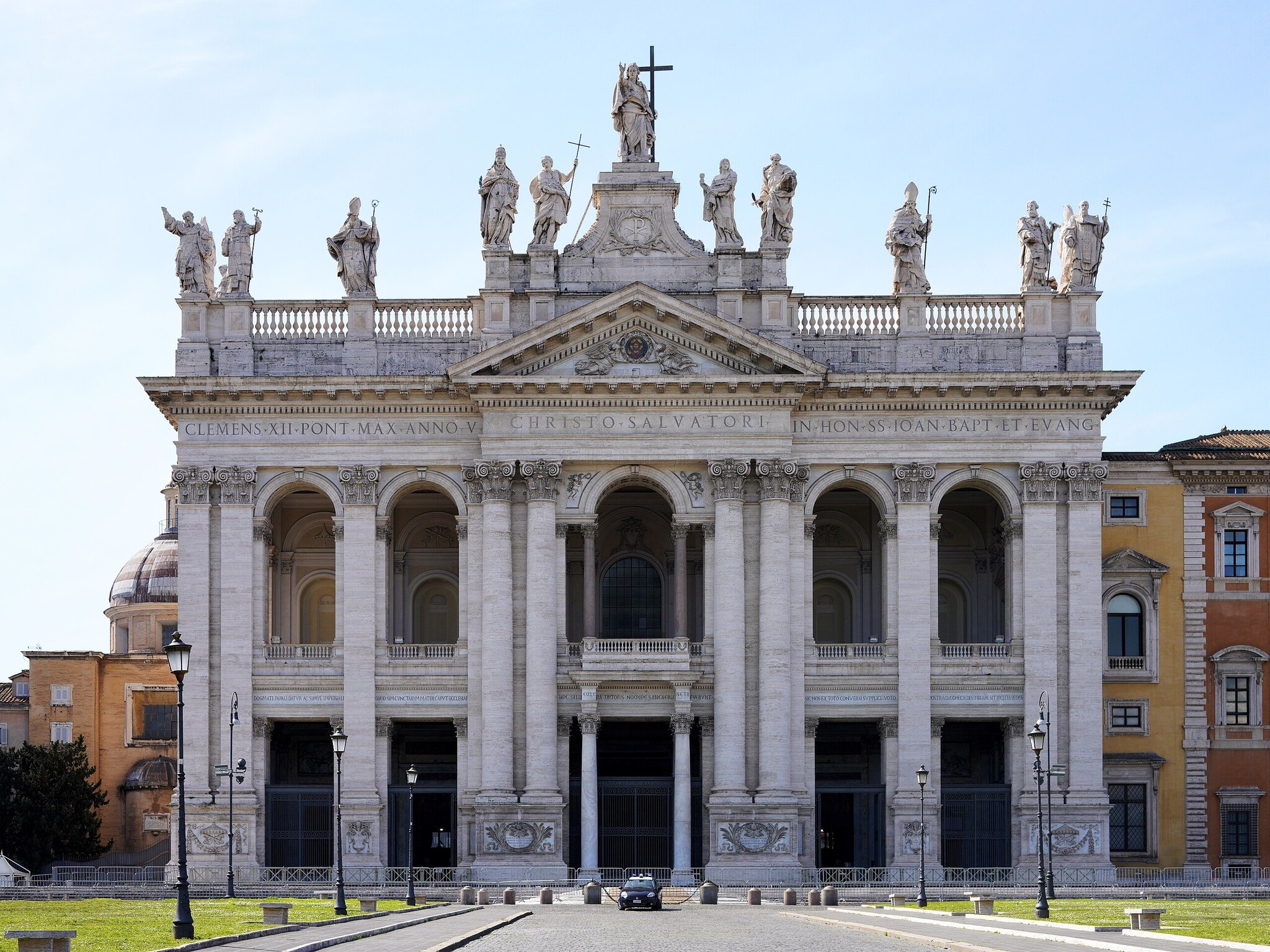
The Archbasilica of The Most Holy Saviour and of Saints John the Baptist and the Evangelist, commonly known as St John Lateran, is the Cathedral-Basilica of Rome, and is situated in the area of the Caelian Hill.
Emperor Constantine – through the Edict of Milan - gave freedom of worship to the Christian community in 313. So as to give the nascent Church a suitable place for celebrating its feasts, he gave to Pope Melchiades the lands of the Lateran estate, that had come to him as part of his wife’s dowry, in order that the Pope might build a church there.
The Basilica, consecrated in 324 by Pope Sylvester I, was dedicated to The Most Holy Saviour. In the 9th century Pope Sergius III also dedicated it to Saint John the Baptist and in the 12th century Pope Lucius II added Saint John the Evangelist to the title.
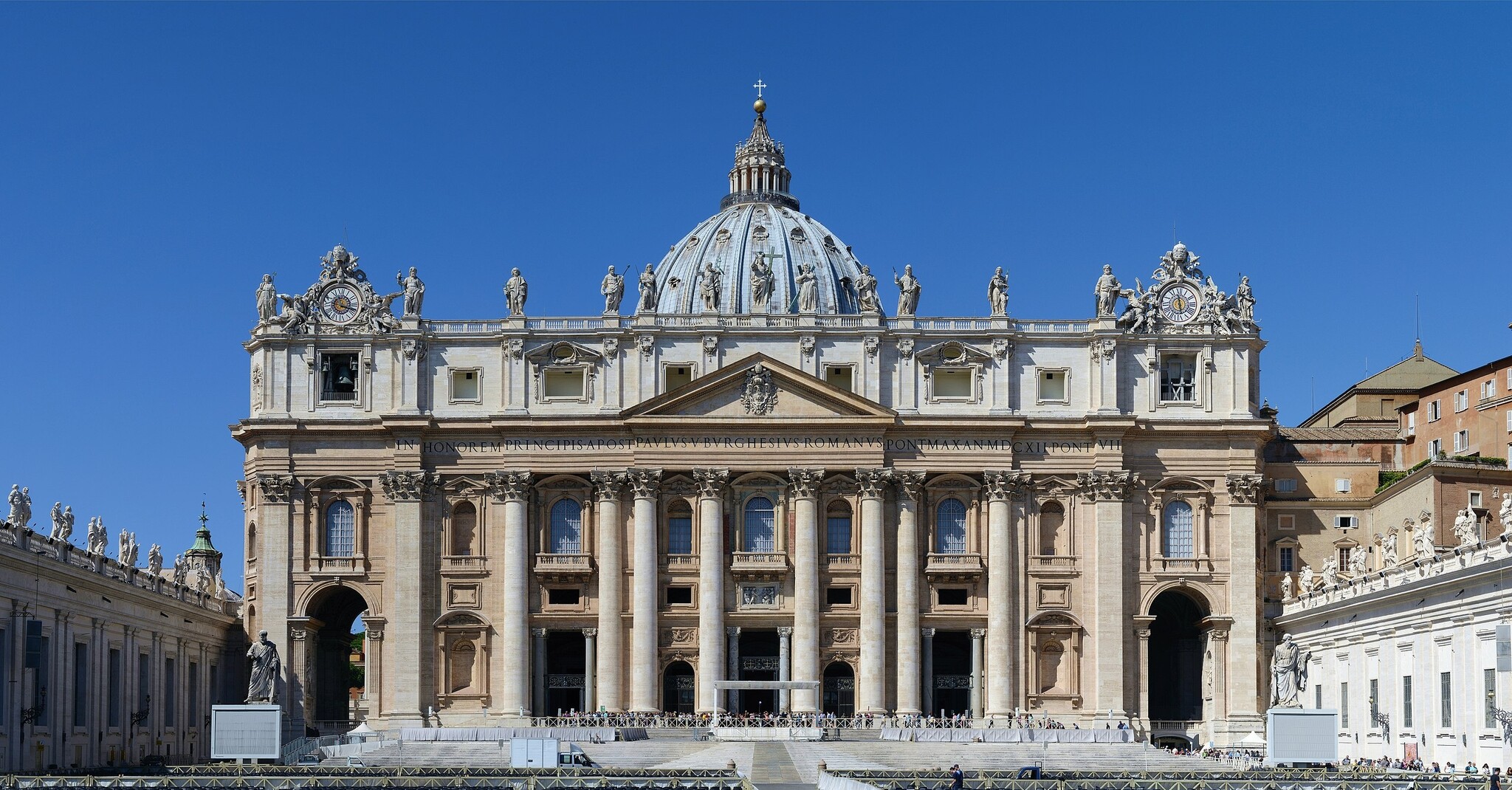
According to tradition the tomb in which the Apostle Peter was buried after his crucifixion was situated here, on the highest point of the Vatican Hill, and so it was on this spot, in the 4th century, that Emperor Constantine decided to build the basilica, the first to be dedicated to the Saint.
During the High Middle Ages, this place of worship became the main pilgrimage destination of the Western world. In 1506, Pope Julius II decided to demolish the original structure to replace it with a larger and grander worship space.
Some of the greatest artists in history were involved in the construction and decoration of this hugely impressive basilica: Bramante, Raphael, and Michelangelo among others. In 1629 Bernini finished the internal decoration of the whole church, creating its present look.
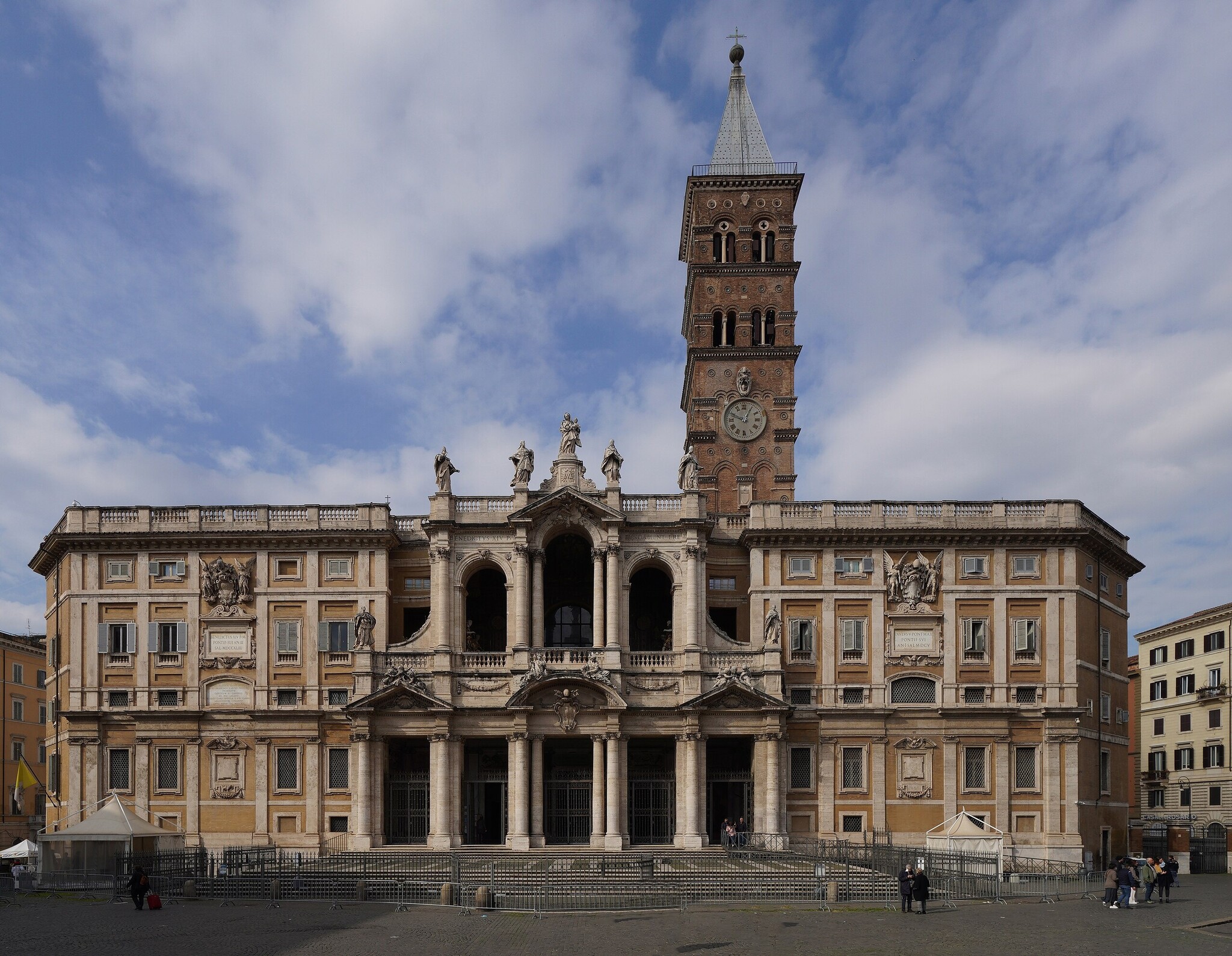
The Papal Basilica of St Mary Major (Santa Maria Maggiore) is the oldest and most important Marian sanctuary in Western Christendom and is the only one of the Papal Basilicas to have maintained its early Christian appearance.
Although it has been embellished and extended over the years all the commissioning patrons have respected its original layout and design, which, according to tradition, was divinely inspired.
According to the traditional story of its foundation, the Virgin Mary appeared in a dream to the Patrician John and Pope Liberius, exhorting them to build a church dedicated to her on the exact spot where she would cause snow to fall. On the morning of 5 August in the year 358, snow was seen on the Esquiline Hill, the highest of Rome’s hills, outlining the perimeter of what was to become the new church.
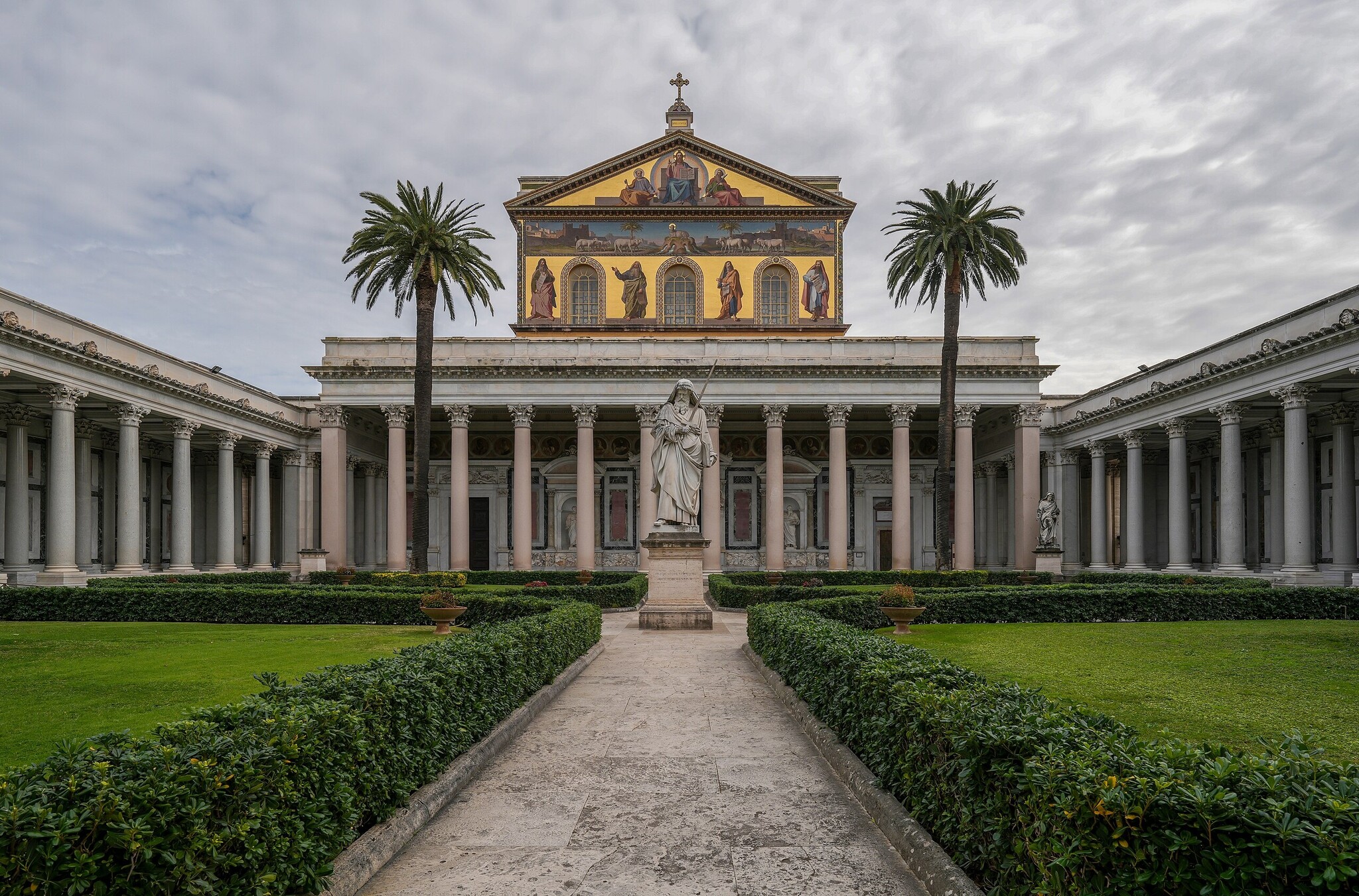
After the edict of Milan of 313, which granted Christians freedom of worship, Emperor Constantine decided to donate two basilicas to the new nascent Church, erected on the tombs of Saints Peter and Paul.
However, in the 5th century, the three reigning emperors of the time, Theodosius, Valentinian II and Arcadius, seeing that the constant flow of pilgrims was too much for the original basilica to cope with, had to construct a larger building. In doing so the orientation of the basilica was changed so that it faced west.
It was only in 1854 that Pope Pius IX inaugurated the present monumental basilica which contains the chain, which, according to tradition, bound the Apostle Paul to the Roman Soldier who was guarding him while he was imprisoned awaiting trial.
Page Link: www.qoa.life/MajorBasilicas